Showing posts with label health care. Show all posts

Sunday, January 19, 2014

Symptoms of Cervical Cancer

Cervical cancer is a type of malignancy that affects women. The main cause of cervical cancer is the human papilloma virus (HPV). This virus was found in 77% of women infected with HIV-positive women and the rest of it to anyone. In Indonesia, cervical cancer is a threat to women because it fits the data found every day 40 women who expressed cervical cancer, 20 of them died. In the world once every two minutes a woman is diagnosed with cervical cancer had died two minutes.

Lack of knowledge about the symptoms and signs of cervical kankers make most women do not realize. Even cancer will attack anyone in the susceptible age is infinite. Women do not realize when Human papilloma virus (HPV) attack. HPV, tiny microorganisms which measures 55 mm and has 100 types of HPV can cause warts menginfeksi skin up. Viruses multiply and survive attacks the immune system to trigger cervical cancer.


Early Symptoms of Cervical Cancer 
In early-stage cervical cancer symptoms are hard to find. Cervical cancer patients infected with the virus at the beginning just like a normal woman. The medical examination with a Pap test can help detect early cervical cancer symptom. Smear tests can be done at the age of 21 years and then performed periodically every three years. At the age of 30 will be performed pap tests and HPV tests are also continuously until the age of 65 years. As for the other symptoms that lead to infection of the HPV virus are as follows :

  • Discharge patogonis 
Vaginal discharge that is other than the blood of femininity fluid in the lot. Although not all of the harmful discharge but if you have a vaginal discharge with the following features, you should be wary: The release of fluid in quantity, turned into liquid mud, Bad unpalatable, Tinted not normal (yellowish, greenish, brownish), arising feeling hot and itchy in the area of femininity
white with features to take into consideration, please consult with a medical specialist obygn.

  • Pain in the area of ​​femininity 
The pain that strikes feminine area caused due to human papilloma virus (HPV) has been developing and disrupt the body's immunity so that the resulting lower abdominal pain, sore appears on the thighs, pelvic joint pain during menstruation, pain when defecating and pain when having intercourse.

  • Bleeding 
Most women perceive that the bleeding that occurs due to abnormal menstrual cycles, but need to watch out if the blood drop out from your feminine area often and take place regularly hence should consult a doctor immediately.

  • Painful urination 
Bladder infected with the virus will result in the patient having pain urination is a symptom of cervical cancer entered an advanced stage.

  • Arising pain and bleeding during sex 
Often mutually couple in high-risk sexual intercourse lead to cervical cancer. When having sex frequently ill and bleeds caused by infection of the cervix severe.

  • Decreased appetite 
Decreased appetite decreased immunity caused so prone to stress, excessive anxiety, and interfere with energy. Moreover, this is a sign of the onset of symptoms of cervical cancer.

  • Swelling in the legs 
When you experience leg swelling for no reason, maybe this series of signs of cervical cancer-causing virus to attack your body.

  • Tired fast 
Fatigue which means that you are infected with HPV that cause fatigue without attacking your leisure time.

Wednesday, January 15, 2014

Brain Differences Men and Women

Low capacity differences between men and women has long been the main attraction among psychologists, particularly those engaged in differential psychology. No doubt, based on the public observation or research results show that between different creatures have different type, seen in physical and psychological aspects.


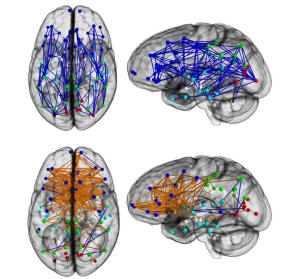
The results of a recent study conducted Ingalhalikar, (2013) to 949 participants young people aged 8-22 years showed that there are differences of brain connectivity between men and women. This study using Diffusion Tensor Imaging (DTI) is an imaging technique that can reveal the structure of the life of the brain, capable of tracking and highlighting the fiber pathways that connect different brain regions.

Of the 428 men studied, the researchers found that the connections in the brain more men moving between the front and rear in the same hemisphere (inter-hemispheric connectivity). The movement of the connection from back to front is believed to be the brain activity that connects perception to action. This gave us the explanation that men have an advantage in motor skills and spatial skills (insight space) than women.

Meanwhile, of the 521 women who became participants in this study, the researchers noted that the connections in the brain more women move between the two hemispheres of the brain (intra-hemispheric connectivity). Lines of communication between the two hemispheres of the brain is believed to be the brain activity that connects intuition with analysis. This provides an explanation that women have an advantage in memory skills and social cognition skills.

The researchers also found that there is little difference in brain connectivity between men and women, before the age of 13 years. Different patterns of brain connectivity is very striking between the ages of 14-17 years, which is triggered by the onset of puberty and 17 years and over. Ruben Gur, a member in the study said :

".... Map this connection not only helps us better understand the differences of how men and women think, but also gives us a deeper understanding of the roots of neurological disorders, associated with gender. "    

Several previous studies have shown the existence of differences in the brain between men and women, but the study of the neural wiring that connects regions throughout the brain associated with cognitive skills, and involving a large population apparently never happened. 

Sunday, January 12, 2014

Identify the characteristics of brain cancer

Before you understand more about the symptoms of brain cancer, you need to understand the structure of the human brain first. The brain is an important organ that regulates all activities or movements of the human body. Just imagine you're on a motorcycle, how many activities you do? Seeing the road, driving, look left-right, see the rearview mirror, balance, yet again while thinking about what to eat tonight ... In the second, there are thousands of things that happen in your brain (which happens either consciously or unconsciously).

The brain can be multitasking like this because of all the activity regulated by different brain parts (each part has different functions). In general, the human brain is divided into three parts, namely a large brain (cerebrum), cerebellum (cerebellum) and brain stem (brain stem). Each section is subdivided into smaller sections, where each small part is divided again, and so on. Section fills the space between the brain fluid (cerebrospinal fluid), while the exterior is protected by three layers of the lining of the brain (meninges) and the skull.


The anatomy of the human brain
Well, every part of the brain can be affected by a tumor or cancer. Although benign tumors, but because of the growth in the brain, can be very dangerous. The tumors can interfere with the function and structure of the central nervous system damage, because it is located in the cavity of a limited (cranial cavity). Along with the development of these tumors, brain tissue will be more depressed. Though the volume of cranial cavity is very limited and not likely to grow. This is what makes the headache or dizziness as an initial symptom of brain cancer.


Baseline characteristics of brain cancer varies greatly, depending on the part of the brain is affected. For example headache or feel nauseated. Here are symptoms of brain cancer that you should be aware:

  • headaches accompanied by nausea to vomiting spray
  • reduced vision
  • loss of consciousness or behavior changes
  • talk interference
  • hearing
  • interference walk / body balance
  • nerves
  • limb movements or spasms weakened 
Remember, the list above is only a symptom. Even if you suffer from one or more of the above symptoms, you are not necessarily affected brain cancer. For sure, you should be examined by a doctor of neurons directly and undergo further examination such as CT scan, MRI, angiogram, Myelogram, spinal tap and biopsy.   

Thursday, January 9, 2014

Breast cancer-causing factors that must be considered

At this time the article I will discuss about the causes of breast cancer, the cancer is a terrible disease, a scourge because it can result in death for its victims.


On our minds if ever thought what is the cause why a person can have or had cancer of the breast is this terrible? There are several causes someone to lose their disease, the causes of breast cancer could be due to heredity or often called genetic, hereditary genes of the family, it is very big role in triggering the disease, the risk of breast cancer when my grandmother or mother who never experienced the disease then it will be inherited by their children and grandchildren so that people with a background of his family has been affected by this deadly disease has to be extra careful. In addition there are also environmental factors and eating food containing a lot of pesticides on this believe to be one of the main factors for the increasing number of patients who suffered from breast cancer.


Other than that I read several sources, according to the sources, there are several other factors that cause increased breast cancer survivors apart from the factor of lineage (the inheritance of genes), below you can see several factors the causes of breast cancer at the time of an increasingly sophisticated :
  1. The use of hormone pills: according to Dr. Wendy Chen as the head of research from Brigham and women's Hospital in Boston, the use of excessive hormone pill in women sufferers monopause turned out to be a cause of breast cancer and the use of hormones in the pills for long periods of time can increase the risk of developing breast cancer.
  2. The use of Pesticides on fruits and vegetables: from results issued through research by a university in a foreign country, the consumption of pesticides increase breast cancer risk for women, therefore it is strongly recommended to wash vegetables and fruit to clean before you consume them so that pesticides are sticking on vegetables and fruit were lost.
  3. Passive smokers : Passive Smokers smokers are people who don't smoke but do not deliberately suck the smoke released by the smoker often heard passive smokers are exposed to the risk from the hazards of cigarette smoke than smokers is active, this is the cause, according to experts from the California Enviromental Protection Agency passive Smokers have a close relationship with the risk of developing breast cancer, therefore do not become passive smokers and don't become active smokers, avoid people who smoke so that you don't become passive smokers.
  4. The use of cosmetics: the cosmetics ingredients are like hormones of estrogen increases the risk of causing risk experiencing sickness kaker breast, be careful in the use of cosmetics for your health.
  5. Artificial sweetener: artificial sweeteners are often used instead of those people for sugar because it was cheap, it was careful in eating out or eating street food for small children are bought out there, because of excessive consumption of artificial sweeteners can raise the risk of breast cancer disease affected, although this has not been fully proven in research is a good idea to avoid something that is not good for health.
  6. Soybeans: soybeans are indeed becoming a healthy diet for people who go on a diet but contained in phytoentrogens content of soybeans may increase the risk that can trigger the onset of breast cancer, this is due to the content of phytoestrogens that can improve growth hormone oestrogen, so it is recommended not to consume too much berlebihkan, soybeans are good for your health but something extravagant is not good.
That's some factors cause breast cancer, hopefully you all can keep people who cherished to avoid this dangerous disease, spread to people in order to reduce the risk of this disease, so it is better to prevent.
See also on other articles for health may increase your insight.

Wednesday, January 1, 2014

Removing bad memories could become a reality

A team of neuroscientists have devised a new form of electroshock therapy, which apparently erases bad memories.

The Dutch neuroscientists came up with an electroconvulsive therapy (ECT), which was designed to “target and disrupt patients’ memory of a disturbing episode.”

A group of 42 patients were shown two traumatic narratives in a slideshow and then given the ECT. The research team asked the patients to recall just one of the narratives by replaying part of the slideshow. Immediately after this exercise the patients were given the electroconvulsive therapy. It was done immediately because this is thought to be the time when the reactivated memory is at its most vulnerable.


A day later, the patients were given a multiple-choice memory test. The results showed that the patients were significantly worse at remembering details from the reactivated story, whereas the other story was easily recalled.
Electroconvulsive therapy is certainly not a pleasant experience, inducing seizures and has become a controversial topic. The patients selected to take part in the tests suffered from severe depression and it is not yet known whether these techniques would work for a patient without the same conditon.

For years scientists have been working on a way to erase bad memories. Last year, they successfully erased memories of sleeping mice and only a few months ago, they identified the gene responsible for helping us forget.

Now they have finally managed to find a way of erasing specific unwanted memories. But there is still more work and more research to be done. It is thought that this breakthrough will lead to future treatment of severe depression and post-traumatic distress.

Wednesday, December 18, 2013

Facts About Calories

Calories are the basic unit that has a unique concept. Read the suggestions in this article and your body will start to lose a few pounds.


Really calorie fuel the body? Actually not. The body is not a steam engine. It does not rely on heat, but the chemical energy, is driven by the oxidation of carbohydrates, fats, and proteins that occur in the cell mitochondria. "Mitochondria is like a little powerhouse," said Maciej Buchowski, Ph.D., research professor at the medical center at Vanderbilt University. "But, the body does not have only one center of power, but a few trillion, which is more efficient." Our advice "Know also the amount of carbohydrates, fats, and protein-calorie apart-when you evaluate the food you eat.

Are all calories equal ? Not really. Fuel for the body consists of three sources : protein , carbohydrates , and fats . " Each one is processed by the body in different ways , " says Alan Aragon , MS , a nutrition consultant Men's Health magazine . So, the old idea that " calories in equals calories out " is a bit misleading . Because of carbohydrates , proteins , and fats have different effects . Example : For every 100 calories of carbohydrates you eat , the body uses calories to digest 5-10 . With fats , you use a little less than that amount . Who won in burning calories is protein : For every 100 calories of protein you consume , the body requires 20-30 calories for digestion , Buchowski said .Carbohydrate and fat calories with easy release . They supply the energy needed for fast ( instant ) . Thus , carbohydrate and fat can bring the energy used by the body than protein . Our advice if you want to lose weight , prioritize protein in any diet that you consume.

Is every calorie that goes to be digested? Not as simple as that. He passed through the stomach and up into the small intestine, which absorbs all the nutrients as possible through the porous walls of the intestine. However, 5-10% of calories can get away with not absorbed. Fat digestion is more efficient because it went into the intestinal wall with ease. While animal protein will be digested than vegetable. Various carbohydrate processed at different speeds. Glucose and starch rapidly absorbed, while fiber is somewhat more difficult. And, kind of 'insoluble fiber' in some complex carbohydrates, such as from vegetables and grains, tends to block the absorption of other calories. "With a high fiber diet, such as 60 grams per day, you may lose up to 20% of the calories you consume," said Wanda Howellm Ph.D., professor of nutritional sciences at the University of Arizona. Our suggestion consumption of at least 35-40 grams of fiber each day.

Is it true that exercise burns calories as our large ? Absolutely not . Most of the calories you burn in a slow time , thus providing fuel for your body's basic metabolism , says Warren Willey , DO , author of Better Than Steroids . If you want to use more fuel , step on the gas pedal in your daily activities . " Approximately 60-70 % of the number of calories you use is used to enable the normal functioning of your body , " said Howell . This includes replacing the tissue cells , transporting oxygen , repair minor injuries and others. Then , there is also the calories lost because N.E.A.T. ( nonexercise activity thermogenesis - combustion of non - exercise activity ) . NEAT consists of movements that you do outside the gym - the calories you burn while making breakfast , playing games on the office computer , or to catch a bus on the way home . Our advice Take some rest breaks from your desk ( and couch ) to move your body and burn calories ' bonus . '

Really low calorie foods to help lose weight? not always
Low calorie processed foods can be weak allies in your fight to lose weight. For example, sugar-free foods. Avoiding sugar may be the easiest way to reduce calories. However, food manufacturers usually replace sugar with sugar-free sweeteners. And, artificial sweeteners can backfire. The theory is, the promise of sugar that offer fewer calories can actually cause excessive eating habits (than usual). "Most people count calories, when what needs to be done is to focus on the content and composition of food," said Alderman. Our advice rather than thinking of sugar or artificial sweeteners, better fill your plate with low-calorie foods-high-quality: Fruits and vegetables.

Monday, December 16, 2013

Know More Human Nervous System

The human nervous system is an organ system containing a network of specialized cells that coordinate actions and transmit signals to various parts of his body.

The human nervous system consists of nerve cells called Neuron.Neuron combine to form a network to deliver impulses (stimuli). A nerve cell is composed of a cell body, dendrites, and axons.

The function of the nervous system:
  • As a recipient of information in the form of stimulation
  • Process the information received
  • Giving response / reaction to the stimulation.

Neurons (Nerve Cells)


Neurons or nerve cells are part of the human nervous system. A collection of nerve cells is the one that forms the nervous system.

Neurons consist of three main parts:
  1. Dendrites
  2. Nerve cell bodies
  3. Axons (neurites)
Dendrites, function sends impulses from receptors to the neuronal cell bodies.

Body found inside the cytoplasm of cells and cell nuclei. neurites from the cell body and dendrites exit. The function of the cell body to control nerve cells work.

Axons (neurites) function sends impulses from the nerve cell body to other tissues or effectors such as muscles and glands.

Various Cells Based on Neural Functions:
  • Sensory nerve, sensory nerve cell function is deliver impulses from receptors to the central nervous system, ie brain (ensefalon) and spinal cord (spinal cord).
  • Motor nerve, the motor nerve cell function is to send impulses from the central nervous system to muscles or glands which results in the body's response to stimuli. The motor nerve cell bodies located in the central nervous system.
  • Intermediate nerve cell / neuron connectors, intermediates nerve cells called neurons also associations. These cells can be found in the central nervous system and the function of motor nerve cells connect with sensory nerve cells or associated with other nerve cells in the central nervous system. Intermediate nerve cell receives impulses from sensory receptors or nerve cells other associations.
Structure of the Nervous System
There are two kinds of nervous systems, namely:
  1. The central nervous system includes: Brain and Spinal Marrow
  2. System sraf edge (peripheral) include: autonomic nervous system (sympathetic and parasympathetic) and somatic nervous system (cranial and spinal nerves)
Central Nervous System
The central nervous system is the central coordinating body. The central nervous system includes the brain (ensefalon) and spinal cord (spinal cord). Both are very soft organ, with a very important function.

Brain

The brain is a soft sticky objects, bermi lot, and chewy. In it there are millions and even billions of cells safar.
The brain has five main sections, namely:
  • Large brain (cerebrum): The big brain has a function in the regulation of all mental activity, which is associated with intelligence (intelligence), memory (memory), awareness, and consideration.
  • Midbrain (mesensefalon)
  • Small brain (cerebellum)
  • Connecting cord (medulla oblongata), and
  • Varol bridge (pons Varoli)
Big brain (cerebrum)
Big brain has a function in the regulation of all mental activity, which is related to intelligence, memory, awareness, and consideration.

The cerebrum ...
  • The largest part of the human brain.
  • There are 2 hemispheres that looks symmetrical but different structure and function. Right hemisphere: left-hand controls, introduction to musical and artistic, space and pattern perception, sight and imagination. Left hemisphere: right hand control, spoken and written language, numerical skills, scientific, and reasoning.
  • Hemispheric surface was shaped protrusions (gyrus) and grooves (sulcus); indentation that the so-called fissure.
  • Each hemisphere is divided into four lobes: the frontal lobe, parietal lobe, occipital lobe, and temporal lobe
Frontal lobe function as the center thinking; temporal lobes as auditory and language centers.
Occipital lobe as the center of vision.
The parietal lobe as the center of the touch and movement.

Forebrain also include other parts, such as the thalamus, hypothalamus, pituitary gland, and pineal gland. Before the accepted area of ​​sensory cerebrum, all stimuli would be processed first by the thalamus. Only olfactory stimuli are not received by the thalamus. While the function of the thalamus is another example regulate the temperature and water content in the blood, and also coordinate activities related emotions. The hypothalamus is the part that serves to regulate body temperature, appetite, and behavior. In addition, the hypothalamus also controls the pituitary gland, the gland hormone that plays a role in controlling homon other glands, like the thyroid gland, adrenal gland, and pancreas.

Central Brain (mesensefalon)
Located in front of the midbrain and cerebellum Varol bridge. In front of the thalamus and midbrain are the pituitary gland which regulates the endocrine glands work. The top (dorsal) of the optic lobe of the brain is the central governing such eye reflex constriction of pupils, and also the auditory center.

Small brain (Serebellum)
The cerebellum has a primary function in the coordination of muscle movements that occur consciously, balance, and body position. If there are adverse or harmful stimuli then normal voluntary movement impossible.

Varol bridge (pons Varoli)
Varol bridge contains nerve fibers that connect the cerebellum it left and right, also Menghu bungkan big brain and spinal cord.

Connecting cord (medulla oblongata)
Connecting marrow function leads impulses coming from the spinal cord to the brain. Connecting cord also affects the bridge, reflex physiology such as heart rate, blood pressure, volume and speed of respiration, digestion tool motion, and the secretion of digestive glands.

Sunday, December 15, 2013

Disease Transmission Method in Dental Medicine

Pathogenic microorganisms found in blood, saliva, and dental plaque can contaminate the hands of the people who work in the field of dentistry. These microorganisms can contaminate instruments, dental appliances and surfaces of other equipment in the practice room. Preventive action includes all actions necessary to protect dentists, employees, and patients from the spread of infectious disease through dental treatment. Procedure infection prevention measures should be directed towards all patients and dental care to all of the action. All instruments used in the oral cavity should be sterilized. All surfaces and tools are touched by hands contaminated saliva or blood that can not be sterilized must be thoroughly cleaned and disinfected with effective materials, with alternative ingredients just covered with waterproof cover.

Contamination of the oral cavity and open sores can be spread by air, water, dust, aerosols, splashes or droplets, respiratory tract secretions, plaque, calculus, dental filling materials and debris. Pathogenic oral flora of patients can be transmitted to the tissue or organ (autogenous infection) such as heart valves, artificial joints and surrounding soft tissue, and bone.


Common route of transmission of microorganisms in dental practice can occur through the following ways:

  • Direct contact with infectious lesions, saliva and blood of infected
  • Indirect contact through an intermediary transfer of microorganisms from contaminated objects
  • Sprays of blood, saliva or secretions from the nasopharynx directly on the skin or mucosal abrasions or intact
  • Aerosols, airborne spread of microorganisms.

The possibility of the spread of infection in dental practice can be through:
  • Of patients to dentists, dental nurses, dental tehniker.
HIV transmission from patient to dentist generally occurs due to maintenance actions that cause injury to the mucosa of the mouth, tongue and blood can get into the wound through / aberration hand dentist.
  • From patients to other patients
Transmission can occur through contaminated dental instruments such as syringes, burs, sonde, etc.
  • From dentist to patient
Infection control in general

Your dentist may not be sure that the patients coming for dental care is a carrier or not infective microorganisms, therefore all patients who come to be considered a carrier of pathogenic microorganisms. All clinical procedures were performed in all patients should be performed using a common infection control.
Many sources of infection transmission in dental practice among other hand, saliva, respiratory secretions, blood, clothes, and hair, as well as dental instruments and other equipment should really be considered to reduce the risk of infection.

Contamination of the oral cavity and open wounds can be caused by air, water, dust, aerosols, splashes, respiratory tract secretions, plaque, tartar, tooth tumpatan materials and debris. Pathogenic oral flora of patients who can enter into other tissues or organs.

Infection by air
Microorganism are transmitted through the air contained in the aerosol inhaled and therefore can cause influenza illness, commond cold, and tuberculosis. In the event of aerosols for example by high-speed instruments, sparks formed with different sizes. Sprinkling diameter larger than 100 nanometers are called splatter will quickly fall by gravity, being a spark is common measuring less than 100 nanometers in diameter. This small spark quickly evaporate and remain in the air for several hours as droplet nuclei containing the secretion of saliva or serum were dried and microorganisms.

The main line of the transmission of infectious diseases in the field of dentistry is through the skin or mucosa injured by sharp objects or needles, including here is the spread of hepatitis B from a patient to a dentist and a proven otherwise.

Transmission of disease through the eyes:
During treating patients, large particles of debris and saliva can be ejected at the dentist's face. These particles can contain high concentrations of bacteria and can physically injure the eye. For these goggles should be worn, not only to prevent injury, but also to prevent the occurrence of infections, therefore the eyes can be a port d'entree for entry of microorganisms into the body.

Abnormalities in the mouth that are on the case consists of several types of abnormalities in the following analysis.

Cutix orificialis
Diagnosis is made ​​based on the clinical picture of the patients in both corners of the mouth are surrounded fissures widespread erythematous areas, prominent, and granular, it is in accordance with the clinical symptoms of this disease is a disease that is usually on the lips or mouth-shaped fringe shallow ulcer granulation (different from lesions due to anemia), which is derived from a small tubercle-tubercle rupture, the presence of pain and erythematous area.

The presence of anemia manifestations in the oral cavity
It is marked with a picture of a pale oral mucosa, both on the cheek, gingiva, and palate. Pale mucous is a result of a decrease in iron levels in the blood that can lead to reduced red blood cell distribution including into the oral cavity.

Gingivitis tuberculosis
Diagnosis is made ​​based on clinical features found in the oral cavity of patients, the presence of inflammation of the gingiva and oral hiegine supported by poor patients who also lead to gingivitis. Tuberculosis usually appear diffuse gingivitis, hyperemia, nodular or papillary proliferation of gingival mucosa

Glossitis tuberculosis
Diagnosis of the disease is well established based on the clinical picture of the patient's oral cavity which in the case stated that the patient's tongue smooth, pale, enlarged (makroglossia), as well as experiencing atrophy of the papillae on the tongue due to accumulation of bacilli which worsened with anemia conditions.

Tlcerative lesions
In the case mentioned that part of the right lateral tongue contrary to the teeth 46 are ulcers with a diameter of 4 mm, yellowish surface and sore it is in accordance with the clinical characteristics of the lesions ulseraif usually sick, grayish yellow, hard, and well defined. The occurrence of ulcerative lesions on the patient's tongue may occur due to two possibilities, first, as a result of trauma, for example as a result of tooth 46 which has a sharp cusp or already live radix. Second, ulcers can occur as a manifestation of tuberculosis disease suffered by patients where TB bacterium is carried through the bloodstream and accumulate in the sub-mucosa, causing mucosal ulceration of the oral cavity. In addition, TB bacteria can also be carried by saliva containing sputum to the mucosal surface of the mouth that does not intact or injured

Tuesday, December 10, 2013

Lack of sleep can lead to hypertension


In general, those who slept only 6 hours, 42 percent more likely to have hypertension, whereas that used to sleep no more than 5 hours a 31 percent higher risk. The study reported in the journal Hypertension.

The new study observed women only, not men. According to study leader, Dr. Francesco P. Cappuccio from Warwick Medical School, Coventry, these findings suggest the possibility of gender-specific relationships, decreased sleep, and blood pressure. Even so, the exact grounds of these findings is unknown.

A number of studies have linked poor sleep quality to increased risk of high blood pressure, diabetes, and heart disease. Many of these studies focused on people with respiratory disorders, sleep apnea (stopping breathing during sleep). However, some evidence suggests, loss of sleep without any obvious interference, also detrimental to health.
For the study, Cappuccio and his colleagues used data from the long-term health study of 10,300 white British civil servants aged 35-55 years. The researchers focused on respondents that are free of high blood pressure in the 1997-1999 phase of the study and were reassessed in 2003-2005.
During the two-phase, 76 and 68 percent, respectively, of the original group were included in the evaluation. At reassessment, 20 percent of respondents recently diagnosed with high blood pressure and the risk is greater among women with short sleep time.
Risk factors for heart disease, such as smoking, being overweight, or sedentary lifestyle, partially contribute to the relationship. Nevertheless, the relationship between sleep and free blood pressure persists.
Experts speculate that the loss of sleep can contribute to high blood pressure. This is because lack of sleep makes the nervous system in a state of hyperactivity, which in turn affects systems throughout the body, including the heart and blood vessels.
According to the team Cappuccio, need more research to confirm that sleep duration affects blood pressure levels, and why these effects may be different in women and men.


Sunday, August 4, 2013

Lessons for Higher Ed from Health Care

The New York Times has been running a terrific series helping to illustrate why costs of healthcare in this country are so incredibly out of control. Today's story is masterful in the way it breaks down the cost of an artificial hip replacement in the U.S. versus Belgium.  The cost in the U.S. is over $78,000, while in Belgium it is $13,660.

The main cost differences lie in variation in the surgeon's fee (about 16 times higher in the U.S.), the implant cost (more than 8 times higher in the U.S.) and the hospital room cost (about 8 times higher on a per-night basis).  These differences helped direct the reporters towards a story that unpacks the reasons for variation in impact and hospital costs, while unfortunately saying little about the differences in surgeon's fees.

Imagine what we could learn from similar analyses of the costs of higher education in this country versus in others.   Time and again I hear that costs of education students at the postsecondary level are higher here than anywhere else, and it is very hard to believe that those costs explain our high (yet declining) ranking in terms of quality.

This quote in the Times article stood out to me as precisely the sort of thing we need to explore.  When an American traveled to Belgium for a far less expensive hip replacement, he entered a hospital and was initially concerned: I was immediately scared because at first I thought, this is really old.  The chairs in the waiting rooms were metal, the walls were painted a pale green, there was no gift shop. He flashed back to his recent visit to New York Presbyterian Hospital, which has comfortable waiting rooms, an elegant lobby and newsstands -- along with much, much higher prices. But then I realized everything was new. It was just functional. There wasn't much of a nod to comfort because they were there to provide health care.

Think about the last private college or public flagship campus you visited, and then think about your local comprehensive university or community college.  They are all there, purportedly, to provide education.  Yet the former are all about "comfort"-- and their influence is leading other institutions with far fewer resources to follow that path.  The question is, at what cost?

Take a look at this recent transformation of Madison Area Technical College -- which now calls itself Madison College. What if this happened to two-year colleges across the nation, most of which rely on underpaid college instructors for the actual educating? At what cost, and at what consequence?  Of course it's always wonderful to spend your days learning new things in beautiful places, but what if it means your neighbors can't afford an education at all?

Last year
This year

Sure, buildings and amenities aren't the whole story-- we really need the Times to unpack those discrepancies in surgeon fees.  We have to get to the bottom of our American obsession with equating amenities with quality in fields and services where the amenities are immaterial to the purposes.  And then we need to engage in appropriate comparative analyses to look for better solutions to our American higher education challenges.


Posting Lama ►
 

Followers

Alexa

Copyright 2013 Education for Everyone: health care Template by CB Blogger Template. Powered by Blogger